
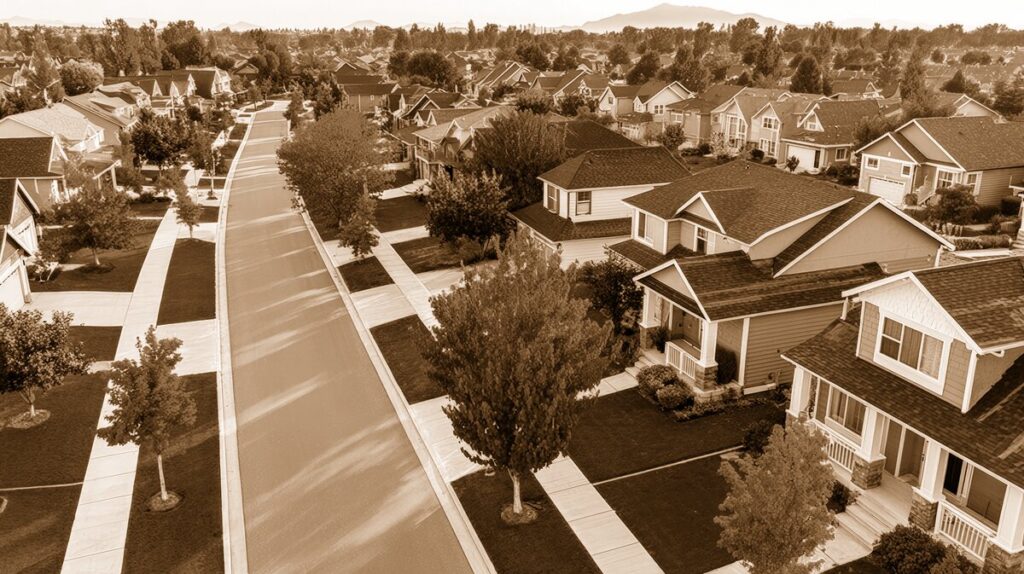
Grandville, a charming neighborhood nestled in the heart of Wyoming, Michigan, tells the kind of story that brings a smile to long-time residents and newcomers alike. With roots stretching back to the 19th century, Grandville’s evolution from riverside farmland to bustling suburban community testifies to the ingenuity and spirit of the people who have called it home. In this article, we’ll take a warm walk through Grandville’s storied past, uncovering origins, landmarks, and the ever-growing sense of neighborly pride.
The Origins of Grandville: Where it All Began
Long before Grandville’s avenues buzzed with cars and commerce, this land was covered in dense forests and fertile prairie. Early settlers, drawn by the winding Grand River and rich soil, began staking claims in the 1830s. The neighborhood that would become Grandville quickly became a hub due to its river access, making it a natural waypoint for traders, loggers, and farmers.
The name “Grandville” can be traced back to the Grand River itself—the “grand” waterway that once shaped the commerce and daily life of hundreds here. “Ville,” the French word for city or town, was a nod to the area’s heritage and its ambitious future.
Key Historical Milestones
- 1833 – First Settlements: The very first European-American settlers arrived, building homes and plotting the land. These pioneers carved out a small riverside community, using native woods for cabins and the rich earth for crops.
- 1845 – Township Formation: Grandville was officially recognized as a township, separating from surrounding jurisdictions. This brought a new sense of identity and local governance.
- Late 1800s – Rails and Roads: The arrival of the railroad, notably near Wilson Avenue, transformed the region, ushering in easier trade and movement for residents and businesses. Streets like Canal Avenue and Prairie Street became main thoroughfares.
- 1900s – Growth of Suburbia: The postwar boom brought more residents, turning former farmland into the tidy residential blocks and small-business corridors seen today.
- 1960s-Present – Grandville Today: The neighborhood blossomed with new schools, parks, and local institutions. Today, it stands as a cherished part of Wyoming’s landscape—vibrant, accessible, and ever-evolving.
Notable Landmarks and Community Touchstones
Many of Grandville’s landmarks are woven into residents’ everyday routines, recalling stories from generations past:
- Grandville City Hall: Anchoring the center of the community near Wilson Avenue, the original city hall was a gathering place for everything from council meetings to local celebrations.
- Grandville Avenue: A historical corridor running east-west, Grandville Avenue traces old wagon routes and continues to house local businesses that have served the community for decades.
- Grand River: Though modern flood controls have changed its banks, the Grand River remains a symbol of the neighborhood’s lifeblood, drawing anglers, boaters, and parkgoers.
- Wedgewood Park: Located just off 36th Street, this community green space has hosted countless picnics and baseball games, creating memories for families through the generations.
- Grandville Public Schools: From Grandville High School’s Bulldogs to the welcoming elementary campuses, local institutions have long been pillars of learning and pride.
The Evolution of Grandville: Decade by Decade
Walking down Prairie Street or crossing the historic pathways along Wilson Avenue, you can almost see the layers of history beneath your feet.
- Early 20th Century: Grandville was a patchwork of family farms, general stores, and church steeples. Neighbors gathered for barn dances on summer evenings and harvest-time socials at the Grange Hall.
- 1950s-60s: The baby boom brought impressive change—a surge in housing developments and the broadening of main streets welcomed families with dreams of homeownership. The opening of key schools and expansion of Grandville’s downtown carried small-town values into a new era.
- 1970s-90s: Grandville became synonymous with a strong sense of community. Families flocked to football games at Grandville High, and annual parades down Canal Avenue grew in popularity. Local businesses on Chicago Drive became fixtures for shopping, dining, and day-to-day needs.
- 2000s-Today: Grandville has balanced growth with preservation, maintaining historic homes while welcoming new developments. Bike trails, coffee shops, and summer farmers markets now intertwine with century-old churches and established parks, reflecting the neighborhood’s enduring adaptability and warmth.
A Community Tied to Its Past, Proud of Its Future
What makes Grandville truly special isn’t just its streets or its buildings, but the people. Generations have worked together to maintain a strong sense of community—whether by organizing local festivals, volunteering for school programs, or simply lending a hand to a neighbor in need.
Ask a long-time resident about what makes Grandville unique, and you’re likely to hear about friendly block parties on Porter Street, the annual sidewalk sales along Wilson Avenue, or the comforting sight of kids racing through Wedgewood Park. Heritage here is not just remembered but lived—every day, in big gestures and small kindnesses alike.
Grandville’s Enduring Appeal
Through growth and change, Grandville has held tight to the values that shaped its beginnings—hospitality, perseverance, and pride in hard work. Its story is written in the brick of historic storefronts, the laughter echoing through green parks, and the traditions kept alive by its residents.
Today, whether you’re wandering through bustling local markets or pausing for a moment along the banks of the Grand River, you’ll find a neighborhood that celebrates its past even as it looks boldly toward the future. Grandville isn’t just a place on the map—it’s a living heritage, a testament to Wyoming, MI’s unique story.